Onur's blog
 Zangi, Signal, and Telegram, the reason you see many fake people depends on how the app is used.
- Telegram has the biggest problem with fake accounts because it's easy to create multiple accounts with virtual phone numbers, and public groups are common. Scammers, bots, and spam accounts are widespread.
- Signal generally has far fewer fake accounts. Registration requires a phone number, there are no public social feeds, and discovery is limited, making it less attractive for scammers.
- Zangi also tends to have fewer fake accounts than Telegram because it focuses on private messaging and calls rather than large public communities. However, fake profiles can still appear if someone uses disposable numbers or contacts strangers.
Common reasons fake accounts exist include:
- Romance scams.
- Cryptocurrency or investment scams.
- Selling fake products or services.
- Collecting personal information.
- Sending spam or phishing links.
- Automated bots promoting channels or websites.
Some warning signs of a fake account:
- Profile photo looks like a professional model.
- Wants to move the conversation quickly.
- Declares love or friendship very soon.
- Asks for money, gift cards, or cryptocurrency.
- Refuses to verify their identity with a live video call.
- Profile has very little information or was recently created.
If you're meeting new people online, a simple live video call is one of the best ways to verify that someone is who they claim to be. Never send money or share sensitive personal information with someone you haven't verified.
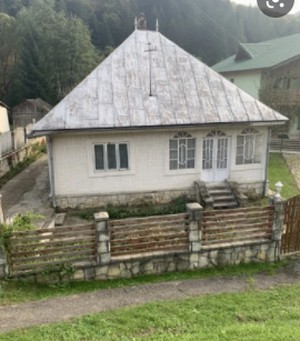 There is a famous quote by Grigore Vieru: “The father's house is not for sale. Not everything that is sacred can be sold.” Today, however, these words seem to survive mostly in the verses recited at weddings and baptisms. In reality, for many Moldovans, the family home inherited from their parents is gradually losing its significance.
Many people leave Moldova to build new lives abroad, while others simply do not have the time or financial resources to maintain the homes where they grew up. As a result, countless inherited houses are being sold for very low prices. Across the country, especially in rural areas, abandoned homes with “For Sale” signs have become a common sight.
During my travels through Moldova, I repeatedly saw villages that appeared to be slowly disappearing. Many houses were empty, neglected, and waiting for buyers who never seemed to arrive. In some villages, only elderly residents remained, while younger generations had moved to Europe, Russia, or other countries in search of better opportunities. Local authorities often admit that dozens of homes are for sale, yet few local people are interested in buying them. In many cases, the only buyers come from other villages or purchase the properties for commercial purposes.
The demographic situation is visible everywhere. Villages that once had more than a thousand households now have only a fraction of that number. Schools are closing, local businesses struggle to survive, and entire communities are shrinking. The traditional Moldovan village, once full of life, is gradually becoming quieter each year.
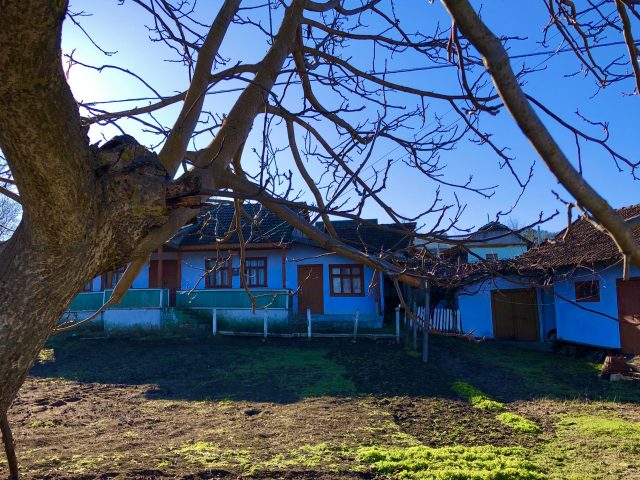
What struck me most during my visit was not only the number of abandoned houses but also the sense of loss associated with them. These are not just buildings. They are family homes, places where several generations were born, raised, and lived. Yet economic realities and migration have forced many families to leave them behind.

Moldova continues to experience one of the highest rates of emigration in Europe, and its population has been declining for decades. Every year thousands of people leave the country, while relatively few return permanently. If these trends continue, Moldova could face an even more severe demographic crisis in the coming years.
Looking at the empty villages, abandoned homes, and aging population, it is difficult not to feel concerned about the country's future. For many Moldovans, watching their villages slowly disappear and their ancestral homes being sold is a painful and disappointing reality.
Archives
- Tutti
- Giugno 2026
- Maggio 2026
- Agosto 2025
- Maggio 2025
- Aprile 2025
- Febbraio 2025
- Gennaio 2025
- Dicembre 2024
- Novembre 2024
- Settembre 2024
- Agosto 2024
- Giugno 2024
- Aprile 2024
- Marzo 2024
- Febbraio 2024
- Gennaio 2024
- Dicembre 2023
- Novembre 2023
- Ottobre 2023
- Settembre 2023
- Agosto 2023
- Luglio 2023
- Giugno 2023
- Maggio 2023
- Aprile 2023
- Marzo 2023
- Febbraio 2023
- Gennaio 2023
- Dicembre 2022
- Novembre 2022
- Settembre 2022
- Maggio 2022
- Aprile 2022
- Febbraio 2022
- Gennaio 2022
- Settembre 2021
- Agosto 2021
- Luglio 2021
- Giugno 2021
- Maggio 2021
- Dicembre 2020
- Novembre 2020
- Settembre 2020
- Febbraio 2020
- Gennaio 2020
- Agosto 2019
- Luglio 2019
- Luglio 2015
- Maggio 2015


Attenzione: Non inviare mai denaro a sconosciuti e non condividere con loro dati bancari, della carta di credito, password o informazioni sui tuoi account crypto.


