Why People in Germany, France, and Japan Don't Want Kurds in Their Countries

"I came here as a child. My children grew up here. What we have experienced over the last three or four years is beyond understanding. People come in front of our shop and shout, wrap themselves in the Japanese flag and say, 'Foreigners, get out.' They record videos of us."
Restaurant owner Tevfik Taş, who lives in Japan's Saitama region, describes his recent experiences to BBC Turkish in this way.
Taş is one of the Kurdish migrants in Japan who says he has recently been subjected to harassment and "racist attacks" by different groups.
Allegations of attacks in Japan came back onto the agenda after social media posts made on June 7 by Vakkas Çıkan, the president of the Japan Kurdish Cultural Association.
Çıkan said that some lawmakers and local officials in Japan have openly blamed Kurds, while some media outlets have published one-sided reports that smear Kurds.
Following this, Meral Danış Beştaş, DEM Party deputy for Erzurum, said: "We will not remain silent about hatred and racist attacks against Kurds in Japan, and we will continue to follow the issue closely."
In a statement on her social media account, Beştaş added: "We call on Japanese authorities to take effective measures against racist attackers in the name of human rights and justice."
When researching the reasons behind anti-Kurdish sentiment, some people argue that one of the causes is the failure of some Kurdish migrants to adapt to the countries they move to. Some Kurdish individuals have also reportedly said that, because they do not know the language, some members of the community resort to theft in the evenings. So what is the main reason that drives some Kurds in Japan toward theft?
One possible reason is the language barrier. Many Kurds cannot speak Turkish, the official language of their home country, yet they try to build a life in Japan.
Another argument concerns education within the family. Some claim that in certain Kurdish families, low levels of education, large households, and insufficient parental attention can increase the risk that children become involved in crime later in life.
How Did Anti-Kurdish Sentiment Rise in Japan After Europa?
Anti-Kurdish sentiment in Japan has reportedly been growing for years, fueled by complaints about noise, neighborhood disputes related to violations of Japan's garbage disposal regulations, and crimes such as theft.
However, observers say that in 2023, the issue escalated into widespread hate speech, particularly on the social media platform X, during parliamentary debates over amendments to Japan's Immigration Control and Refugee Recognition Act.
The law, which was passed in 2024, allows the deportation of asylum seekers whose applications have been rejected more than twice.
Comentarios:
Calificar
Noticias recientes
-
 How Scammers Trick People on Dating...
jul. 18, 16:02
How Scammers Trick People on Dating...
jul. 18, 16:02
-
 Why People in Germany, France, and...
jun. 27, 10:44
Why People in Germany, France, and...
jun. 27, 10:44
-
 The World's First Robot Hotel with No...
jun. 27, 10:25
The World's First Robot Hotel with No...
jun. 27, 10:25
-
 Moldova and Romania Are Becoming One...
jun. 27, 9:41
Moldova and Romania Are Becoming One...
jun. 27, 9:41
-
 Galip Öztürk's wife says their goal...
jun. 26, 16:17
Galip Öztürk's wife says their goal...
jun. 26, 16:17
Más vistas
-
 Yurtdışı numaralı hatlardan evlenme...
sept. 1 '2015, 13:45
Yurtdışı numaralı hatlardan evlenme...
sept. 1 '2015, 13:45
-
 Avoid African Dating Scammer Never...
nov. 15 '2017, 21:49
Avoid African Dating Scammer Never...
nov. 15 '2017, 21:49
-
 Take Your Home with You: $700...
jun. 18 '2015, 6:45
Take Your Home with You: $700...
jun. 18 '2015, 6:45
-
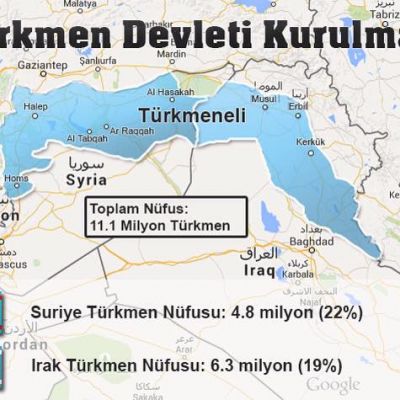 A Turkmen State (Republic of...
jul. 27 '2015, 15:50
A Turkmen State (Republic of...
jul. 27 '2015, 15:50
-
 The Turan Army has officially been...
jul. 1 '2015, 6:15
The Turan Army has officially been...
jul. 1 '2015, 6:15
Más comentadas
-
How Scammers Trick People on Dating...
jul. 18, 16:02
-
Moldova and Romania Are Becoming One...
jun. 27, 9:41
-
Galip Öztürk's wife says their goal...
jun. 26, 16:17
-
 Today A Powerful Earthquake Hits the...
jun. 8, 7:26
Today A Powerful Earthquake Hits the...
jun. 8, 7:26
-
 Canada, the United Kingdom, and...
sept. 21 '2025, 15:20
Canada, the United Kingdom, and...
sept. 21 '2025, 15:20
Categorías


Precaución: Nunca envíes dinero a desconocidos ni compartas con ellos los datos de tu cuenta bancaria, tarjeta de crédito, contraseña o cuenta de criptomonedas.


